The surface of the tooth is damaged or the enamel is known by the term tooth decay. It occurs when bacteria within your mouth produce acids that dissolve the tooth's enamel. Cavities are the result of dental decay (dental caries). Cavities are tiny holes on the tooth's surface that have been irreparably damaged.
The most commonly used SIGNS AND SYMPTOMS FOR DETECTING CAVITIES:•
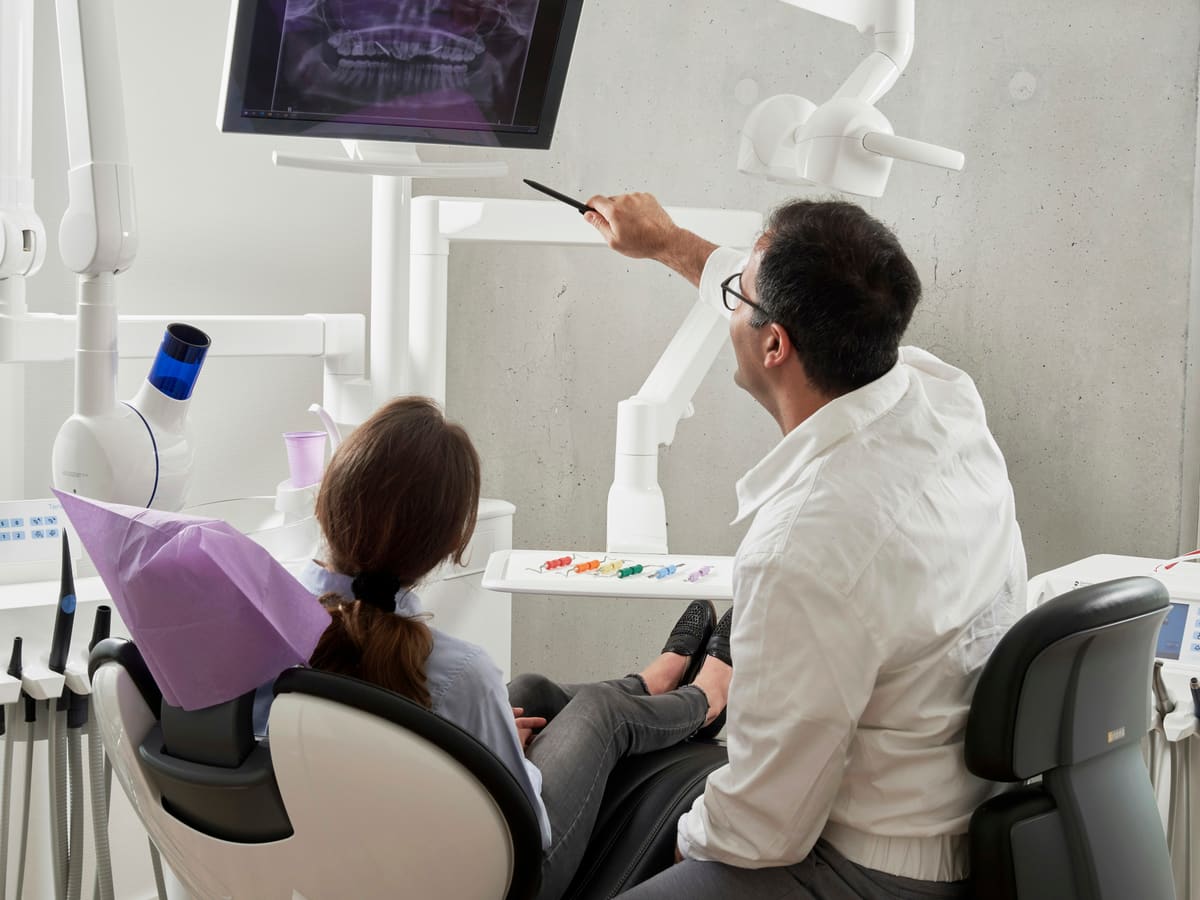
Conducting a regular dental examination every six months will typically detect cavities. An x-ray of the dental cavity might be necessary for certain situations to determine the extent of tooth decay, or to look for indications for cavities that are difficult to identify. The development of cavities can occur across all sides and parts of teeth, however they're more prevalent in the back teeth as keeping them clean is much more difficult.
Here are the top saw indications of a cavity:
- striking discoloration or dark spots: Dark spots on the tooth's surface can be seen as a cavity starts to grow. These spots may appear as simple staining, but there is a chance that there is minor tooth discoloration. Dark spots, however, another hand, become larger with time, signaling tooth decay.
- Undesirable Taste and Bad breath: Bacterial infections cause cavities. The bacteria that live in your
mouth produce waste that could create bad breath and leave a bad taste in your mouth. It could
The signs are that it's time for an appointment with your dentist If you find you've got a long period of bad breath which
It is difficult to conceal. - Sensitivity to any food that is hot or cold The dentin (the layer of enamel beneath) may be exposed as decay advances and infiltrates the tooth. Dentin is more fragile and may cause sensitivity issues. It is possible that a specific tooth or set of teeth is more sensitive than the others and you may also notice an increase in pain in one tooth when you drink cold or hot. This can be a sign of tooth decay.
- Pain and Irritation: The tooth that is impacted by a cavity could feel discomfort. It can be difficult to chew without feeling extreme pain. Due to sensitivity or pain, Some patients experience difficulty flossing or brushing specific regions. The reason for this is due to the dentin becoming exposed, which affects the inner nerve.
- Craters or holes in tooth enamel: The dental cavity-generating bacteria ultimately get into the tooth's enamel, creating tiny pits and holes that can be referred to as well as infections. The holes are a sign of the presence of a tooth cavity. created, and you will definitely need the filling. The decay can be successfully removed, as well as the fresh filling is placed in the hole that is visible.
- Gums that have swollen and bleeding when an area of decay is close to the gums, infection of the tooth could be affecting the soft tissue around it. While flossing or brushing, could cause bleeding or swelling of the gums. Gum bleeding could be caused by gingivitis therefore a visit to a dentist is recommended.
- There are no symptoms: Sometimes, a cavity could be so small that it doesn't show indications or signs of it. In reality. Many people are unaware of their dental cavity until they see their dentist regularly for a routine exam. While no toothache is an absolute blessing, it can cause problems getting prompt treatment. You may not be aware of an issue in dental health until it's late. Make sure you never miss dental exams and practice good oral hygiene.
Certain steps are available to strengthen your teeth, and aid in preventing tooth decay and tooth decay:
- Maintain a Healthy Lifestyle: Consume a healthy diet and avoid sweet foods and drinks that feed the bacteria that live in your mouth.
- Using fluoride toothpaste can help prevent tooth decay by slowing the breakdown of enamel and allowing the remineralization process to be quicker. This new layer of enamel is formed and is stronger and more resistant to the acid that prevents decay.
- Floss Everyday: Floss every day to get rid of food particles and plaque from your teeth that a toothbrush cannot reach. It also promotes the overall well-being of your teeth as well as your gums.
- Regular dental examinations: Schedule regular dental inspections with your dentist at least every six months, to conduct regular cleaning of your teeth and root canal treatment.
- Change the toothbrush: Replace your toothbrush every 3 months or whenever it is damaged, as the more modern the bristles are, the more plaque the brush will remove.

Dr. Amit Bhardwaj
Consulting Orthodontist at Bhardwaj Dental Clinic Indore, dedicated to providing advanced, painless, and aesthetic dental treatments.
 General Dentistry