Maintaining healthy gums is an essential part of good oral hygiene. Gum disease is a common condition that affects many people and can lead to serious dental problems if left untreated. In this blog, we will discuss the signs that you may have gum disease and when to see a dentist.
What is Gum Disease?
Gum disease, also known as periodontal disease, is an infection of the gums that can damage the tissues and bones that support the teeth. It is caused by the buildup of plaque and tartar on the teeth, which can lead to inflammation and infection. There are two main types of gum disease: gingivitis and periodontitis.
Gingivitis is the milder form of gum disease and can be reversed with proper treatment. Symptoms of gingivitis include red, swollen, and bleeding gums. If left untreated, gingivitis can progress to periodontitis, which is a more severe form of gum disease that can lead to tooth loss.
Periodontitis occurs when the infection spreads from the gums to the bone and other supporting tissues. Symptoms of periodontitis include gum recession, tooth sensitivity, and loose teeth.
Common Signs of Gum Disease
Gum disease often develops slowly, and many people may not realize they have it until it has progressed to a more severe stage. Here are some common signs of gum disease that you should be aware of:
- Bleeding Gums: One of the most common signs of gum disease is bleeding gums, especially when brushing or flossing. Healthy gums should not bleed when you brush or floss.
- Swollen or Tender Gums: Inflammation of the gums is another sign of gum disease. If your gums are swollen or tender, it may be a sign of gingivitis or periodontitis.
- Receding Gums: Gum recession is a sign that the gums are pulling away from the teeth. This can make your teeth appear longer than usual and may also expose the roots of your teeth. Persistent
- Bad Breath: Bad breath that does not go away with brushing, flossing, or using mouthwash can be a sign of gum disease. The odor is caused by the bacteria in the mouth that are associated with gum disease.
- Loose or Shifting Teeth: Gum disease can cause the bone and tissue that support your teeth to break down, which can lead to loose or shifting teeth.
- Changes in Bite: If your bite feels different or if your teeth no longer fit together correctly, it may be a sign of gum disease.
When to See a Dentist
It is essential to see a dentist if you experience any signs of gum disease. Early detection and treatment can help prevent the condition from progressing to a more severe stage. Here are some instances when you should see a dentist:
Routine Dental Checkups: Regular dental checkups can help detect gum disease in its early stages when it is easier to treat. You should see your dentist at least once every six months for routine dental checkups.
Symptoms that Require Immediate Attention: If you experience severe pain or have an abscess, it is essential to see a dentist immediately. These symptoms can be signs of an advanced stage of gum disease that requires urgent treatment.
Prevention and Treatment of Gum Disease
Preventing gum disease starts with good oral hygiene habits. Here are some steps you can take to prevent gum disease:
- Brush your teeth twice a day with fluoride toothpaste.
- Floss daily to remove plaque and food particles from between your teeth.
- Use an antiseptic mouthwash to kill bacteria that can cause gum disease.
- Eat a balanced diet that is rich in vitamins and minerals.
- Avoid smoking
In conclusion, gum disease is a common condition that can lead to serious dental problems if left untreated. It is essential to pay attention to the signs of gum disease and to seek gum treatment if you experience any symptoms. Early detection and treatment can help prevent the condition from progressing to a more severe stage. Good oral hygiene habits, such as brushing and flossing regularly, can help prevent gum disease from developing in the first place. Remember, prevention is always better than cure when it comes to your oral health. So, take care of your gums and teeth, and schedule regular dental checkups to keep your smile healthy and beautiful.
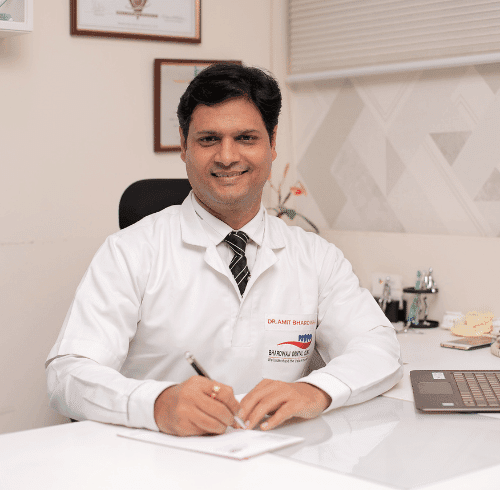
Dr. Amit Bhardwaj
Consulting Orthodontist at Bhardwaj Dental Clinic Indore, dedicated to providing advanced, painless, and aesthetic dental treatments.
 General Dentistry