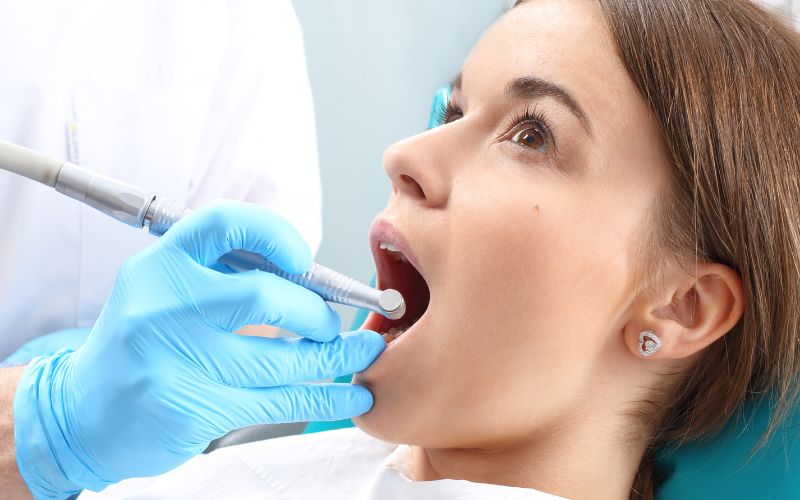
Do you have misaligned or crooked teeth that make you feel self-conscious when you smile? Teeth braces might be the answer to your dental issues. Braces are an orthodontic treatment that can help correct various dental problems, from overcrowding to overbites. In this blog post, we will cover everything you need to know about teeth braces. From what they are and how they work to the different types of braces available and how much they cost. We will also explore some common questions such as whether braces hurt, how to choose an orthodontist, and what to do if a bracket or wire breaks. Plus, we will provide tips on how to maintain good oral hygiene with teeth braces and care for your teeth after braces. So let�s dive in and discover how teeth braces can give you the perfect smile you�ve always wanted!
What are teeth braces?
Teeth braces are orthodontic tools that address dental problems like misalignments and gaps. Braces involve brackets, wires, and sometimes elastic bands to apply pressure and move teeth gradually into the right position. The treatment�s duration varies based on the dental issue�s severity, typically lasting between one and three years.
Types of teeth braces
Are you looking for ways to correct your dental issues? Teeth alignment is possible through a variety of orthodontic treatment options like traditional metal braces or ceramic alternatives that blend in with your teeth. Lingual and self-ligating braces are also popular choices. Dental appliances exert gentle pressure on the teeth with rubber bands or elastic ligatures to guide them into their new position over time. Consulting an orthodontist can be beneficial in choosing the right type of brace for your specific needs.
Ceramic braces
Braces treatment can become less noticeable with ceramic braces – a type of dental appliance that blends in with the teeth. The added advantage is that they work equally well as traditional metal braces in moving teeth to a new position without causing much discomfort. However, one must keep in mind that ceramic braces are relatively more expensive and need additional care to avoid staining or discoloration.
Metal braces
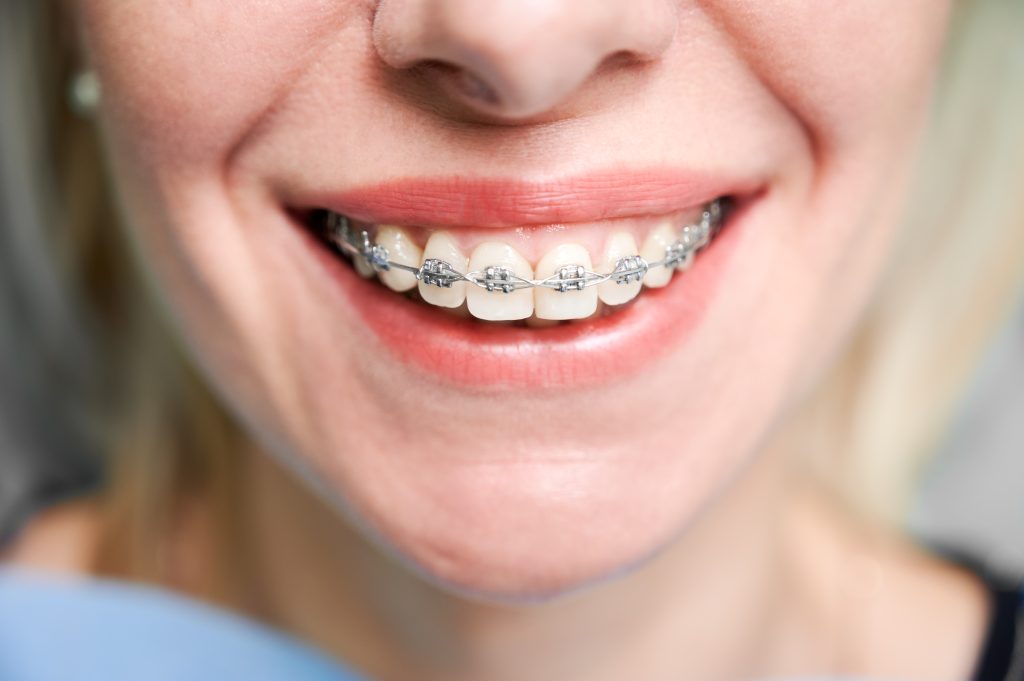
Metal braces are an orthodontic treatment that is highly effective in correcting all types of dental issues, including crooked teeth, overbites, and underbites. Consisting of metal brackets and wires which apply gentle pressure to shift your teeth into their new position, metal braces require regular adjustments by an orthodontist to ensure proper alignment. While these braces may be the most visible type of dental appliance, they can be customized with different colored elastics for a more personalized look. In addition to being the most affordable option for teeth straightening in the United States, metal braces also promote good oral health by preventing cavities and gum disease.
Lingual braces
Dental health is often neglected because people don�t want to wear visible metallic braces. Lingual braces come in handy in such situations as they�re barely noticeable from the front. You must note that lingual brackets demand more attention when it comes to hygiene and could even trigger specific speech impediments at first. But these dental appliances make up for this by being able to keep your teeth aligned without compromising professionalism.
How do teeth braces work?
Teeth braces work by exerting constant pressure on the teeth, which gradually shifts them into the desired position. Brackets are fixed onto the teeth and wires are threaded through them to adjust pressure. Regular adjustments ensure correct movement. Treatment duration varies depending on dental issue severity, from months to years.
Bracket adhesion process
The bracket adhesion process applies gentle pressure to move teeth into a new position using dental braces that consist of brackets and wires. Orthodontists use dental appliances such as traditional metal braces or ceramic braces that resemble the color of your teeth. The archwire is held in place using elastics or ligatures during treatment. Maintaining good oral hygiene is crucial during orthodontic treatment with regular brushing and cleaning with fluoride toothpaste and mouthwash. Follow your orthodontist�s treatment plan to achieve optimal dental health.
Archwires and their role
Archwires are an essential part of orthodontic treatment when it comes to teeth braces and helping adjust teeth alignment. These wires are made up of different materials such as stainless steel and are responsible for applying constant pressure to move teeth slowly into a correct position over time. As an integral part of the braces appliance, orthodontists make sure that the archwire fits precisely around each bracket and is adjusted periodically until optimal alignment is achieved. Along with other components like ligatures or rubber bands, archwires help maintain good oral hygiene and overall dental health.
Spacers and their significance
During the early stages of orthodontic treatment with braces, dental professionals might use spacers to create enough room between your molars or lower teeth for other hardware like archwires to fit comfortably. These small plastic or metal pieces are only in place for about a week and may cause some initial discomfort that subsides with proper oral care. Remember to brush and floss regularly as plaque buildup can elongate your treatment time.
Buccal tube and its function
Placed on the outer surfaces of back teeth, buccal tubes serve as essential anchors for orthodontic treatment with dental braces. These small metal pieces have hollow middles where archwires pass through and hold in place with ligatures or elastic bands. By applying pressure to teeth, buccal tubes help achieve proper alignment with traditional metal braces or other types of braces like lingual or ceramic braces. Moreover, you can ensure better oral health by maintaining hygiene and using fluoride toothpaste, mouthwash, and floss regularly.
Headgear and its use
A crucial part of orthodontic treatment is headgear. This dental appliance works together with braces by wrapping around the back of the head and applying pressure to move teeth into new positions. It�s typically worn for a set number of hours each day or night, as per the specific treatment plan created by an orthodontist or dentist. Initially, it may cause some discomfort but patients get used to it soon enough.
When should you consider teeth braces?
Teeth braces are an option for addressing dental issues like crooked teeth, overcrowding, and bite problems. It�s best to consult with an orthodontist to determine if braces are necessary. Children should have their first evaluation by age 7, but adults can also benefit from various types of braces, including clear aligners.
How to choose an orthodontist?
When searching for an orthodontist, prioritize licensed and experienced professionals with positive reviews. Choose someone who answers your questions and offers various treatment options that suit your needs. Effective communication skills are also essential when selecting an orthodontist.
Do teeth braces hurt?
Teeth braces may cause discomfort and soreness, but the level of pain varies and depends on the type of braces and individual tolerance. Pain relief medication can be used to alleviate discomfort, and orthodontists can provide tips for managing pain during the adjustment period.
What are clear aligners?
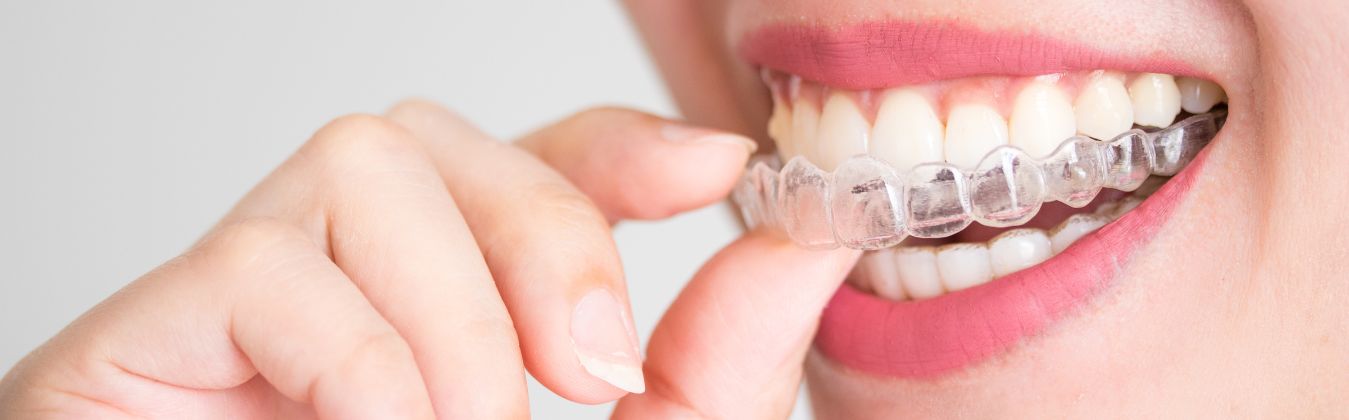
Clear aligners are a discreet alternative to traditional braces, made of clear and safe plastic that fits securely over the teeth. They can be easily removed for eating and oral care. Examples of popular brands include Invisalign and ClearCorrect.
Can teeth braces fix malocclusion?
Malocclusion, a condition where teeth do not align properly, can be corrected with braces. Orthodontists use different types of braces to apply gentle pressure and shift teeth into the correct position over time. Braces are effective in treating malocclusion, but severity determines the type of treatment needed.
How to maintain teeth braces?
To keep teeth braces in good condition, brush after meals and snacks, floss regularly, avoid hard or chewy foods that can damage them, and attend routine orthodontist appointments for adjustments and check-ups. These steps are essential to maintain healthy teeth and ensure the success of the treatment.
Brushing with teeth braces
To maintain good oral hygiene while wearing braces, be sure to use a soft-bristled toothbrush and fluoride toothpaste. Brush your teeth gently in circular motions after every meal or snack. Remember to clean all surfaces of your teeth, including the brackets and wires, by using an interdental brush if necessary. Floss regularly and rinse with mouthwash for optimal oral health. Keeping up with these practices can help prevent gum disease, cavities, bad breath, and other dental issues.
Flossing with teeth braces
Maintaining oral hygiene is crucial when wearing dental appliances like teeth braces. To floss with dental braces, brush frequently to keep the brackets clean. Daily flossing helps eliminate any food debris trapped in between the wires and brackets using an interdental brush designed for this purpose. Refrain from chewing hard or sticky foods as these can harm or dislodge the brace’s metal components. Regularly visit your orthodontist for adjustments and check-ups during the orthodontic treatment plan.
Using mouthwash with teeth braces
Using mouthwash with dental braces is a crucial step in maintaining good oral health. Always brush your teeth after every meal or snack to prevent food particles from getting stuck in your orthodontic appliance. Flossing regularly removes plaque and debris between the metal brackets and wires. Mouthwash can further help keep gum disease and gingivitis at bay while ensuring fresh breath. Make sure to follow your orthodontist�s treatment plan diligently for optimal results.
What foods to avoid with teeth braces?
To prevent damage or dislodging, avoid sticky and hard foods such as caramel, nuts, and gum while wearing braces. Cut food into smaller pieces and chew with your back teeth.
Common dental issues fixed with braces
Orthodontic treatment using traditional metal braces or ceramic braces can fix a range of dental issues. The appliance works wonders on correcting crooked or misaligned teeth as well as overcrowding and bite problems like underbite and overbite. The treatment is also useful in resolving speech problems caused due to dental issues by improving the alignment and spacing of teeth. Although it may cause some discomfort initially, maintaining good oral hygiene through brushing your teeth twice a day with fluoride toothpaste and using mouthwash along with flossing regularly can keep your teeth healthy during treatment.
Overbite correction
Overbites can cause jaw pain and difficulty chewing due to the overlap of the upper teeth over the lower ones. Orthodontic treatment involving braces with metal brackets, archwires, rubber bands, ligatures, and spacers gradually moves teeth into their proper position. The length of treatment varies depending on the severity of the case and overall oral health. Properly treated overbites improve speech, make chewing easier and give you a confident smile. Always consult an orthodontist or dentist for safe and effective corrections.
Underbite correction
Orthodontic treatment can correct an underbite, which is a condition where the lower teeth protrude beyond the upper teeth. Braces are used to gradually shift the position of the lower teeth into proper alignment. The length of treatment varies based on severity, age, and overall health. Correcting an underbite improves appearance, speech, chewing, and dental health. It�s important to consult with an orthodontist or dentist about your treatment plan.
Crossbite correction
Improper alignment of upper and lower teeth results in crossbite, leading to dental problems and discomfort. The gradual movement of teeth into proper positioning with braces can correct a crossbite. Treatment duration varies depending on severity and braces type. Improved speech, biting, chewing, oral hygiene, and preventing further issues are benefits of correction. An orthodontist�s consultation is essential for a customized treatment plan, which may include self-ligating or ceramic braces or Invisalign aligners. Alternative options like headgear or elastics may also be prescribed depending on individual needs.
Open bite correction
If your upper and lower teeth don�t meet properly leaving a gap between them, you may have an open bite. This dental issue can lead to discomfort while chewing and speaking. Fortunately, you can correct it with braces treatment from an orthodontist who specializes in orthodontics. Depending on how severe your case is, it might take several months or even years for traditional metal or clear aligner braces to move your teeth into their new position. However, this will greatly improve your oral health in the long run.
What are retainers and their use?
Retainers are tools used in orthodontics to preserve the positioning of teeth following brace removal. They can either be detachable or fixed and prevent teeth from returning to their original place. It�s crucial to wear retainers as directed by your orthodontist for lasting outcomes.
How long do you need to wear a retainer?
The duration for wearing a retainer differs based on individual cases, but typically it�s necessary to wear one for six months to a year after braces are removed. Wearing a retainer at night may be suggested to maintain the results. Consistent use of a retainer can prevent teeth from moving back into their initial position.
What to do if a bracket or wire breaks?
If a bracket or wire breaks, contact your orthodontist immediately and avoid eating hard or sticky foods that could worsen the situation. Keep the broken piece and bring it to your next appointment, but do not try to fix it yourself as this may lead to further damage.
How do teeth braces work for adults compared to children?
Braces work by applying pressure to move teeth into position, and they�re effective for adults and children alike. However, children�s teeth may respond faster due to jaw growth. Adults may need longer treatment or additional procedures like jaw surgery. Consult an orthodontist for a personalized treatment plan.
Are teeth braces suitable for everyone?
While teeth braces are generally appropriate for correcting most dental problems, there are some exceptions. Individuals with severe gum disease or certain medical conditions may not be suitable candidates for braces. An orthodontist should evaluate if braces are appropriate regardless of age, as both adults and children can benefit from them.
What are the side effects of wearing teeth braces?
Wearing braces can cause discomfort, soreness, and difficulty eating. It may also make it harder to clean teeth due to plaque buildup. Speech or diction changes are possible. Although rare, allergic reactions or tooth root damage may occur. Regular dental check-ups are recommended to monitor any potential issues.
How to maintain good oral hygiene with teeth braces?
Maintaining good oral hygiene with braces requires regular brushing and flossing, paying extra attention to the areas around the brackets. Use interdental brushes or a water flosser to clean between teeth and avoid hard, sticky, or chewy foods that can damage the braces. Regular orthodontist check-ups are also necessary.
How to clean teeth braces?
Properly maintaining braces requires brushing teeth twice daily with a soft-bristled toothbrush, using interdental brushes or floss to clean between brackets and wires, avoiding sticky and sugary foods, and regularly visiting the orthodontist for checkups and professional cleaning.
Caring for your teeth after braces
When you have your dental braces removed, it�s essential to maintain proper oral hygiene to keep your teeth healthy and avoid any relapse in teeth alignment. For good oral health and hygiene, brush your teeth twice daily with fluoride toothpaste and use an interdental brush or floss between your braces and teeth daily. Ensure you clean your braces comprehensively yet softly using a soft-bristled toothbrush or interdental brush. Steer clear of consuming sugary and sticky foods as they may cause cavities or harm the appliance.
Frequently Asked Questions
What are some tips for maintaining good oral hygiene while wearing braces?
Maintain good oral hygiene with braces by brushing twice a day with a soft-bristled brush, flossing daily, avoiding hard/sticky/sugary foods, and attending regular orthodontist check-ups. Use floss threaders or water flossers as needed to ensure proper cleaning and early issue detection.
What dental issues can be corrected with braces?
Braces are a versatile dental treatment that can correct various issues like misaligned teeth, overbites, underbites, and gaps. Orthodontic consultation is necessary to determine the best course of action based on individual needs.
Conclusion
Teeth braces are an effective solution to correct various dental issues such as crooked teeth, misaligned bites, and overcrowding. With different types of braces available, choosing the right one can be overwhelming. But don�t worry! Our guide on how to choose an orthodontist and understanding the types of braces will help you make an informed decision. Braces may cause some discomfort initially and require more meticulous oral hygiene habits but they are worth it in the end. Maintaining good oral hygiene is essential during and after wearing braces for the best results. If you have any concerns about getting braces or need help maintaining your oral health during that time, our experts are here to assist you. Contact us today for a consultation and get ready to flash those pearly whites with confidence!

Dr. Amit Bhardwaj
Consulting Orthodontist at Bhardwaj Dental Clinic Indore, dedicated to providing advanced, painless, and aesthetic dental treatments.
 General Dentistry